Eastgate Square
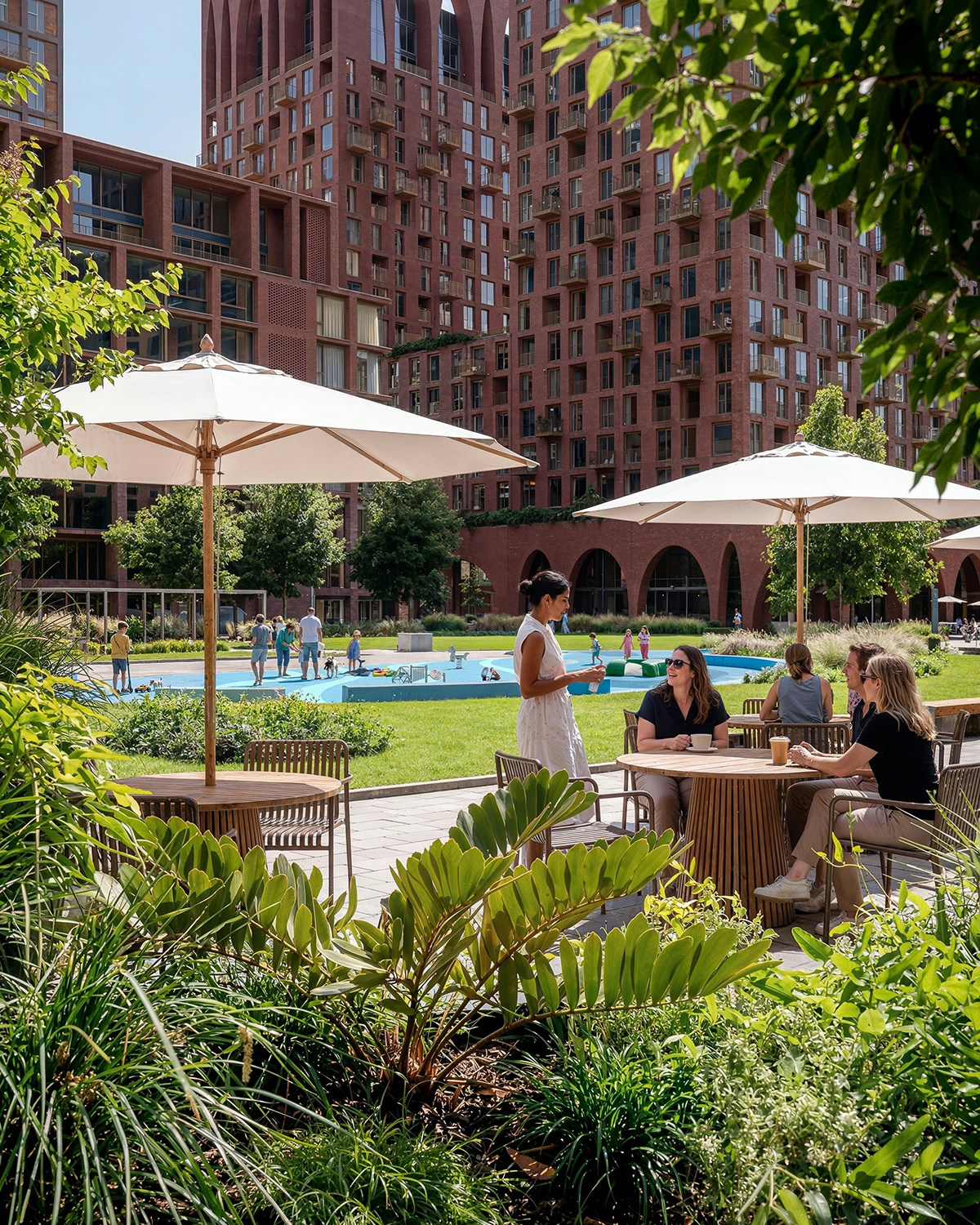
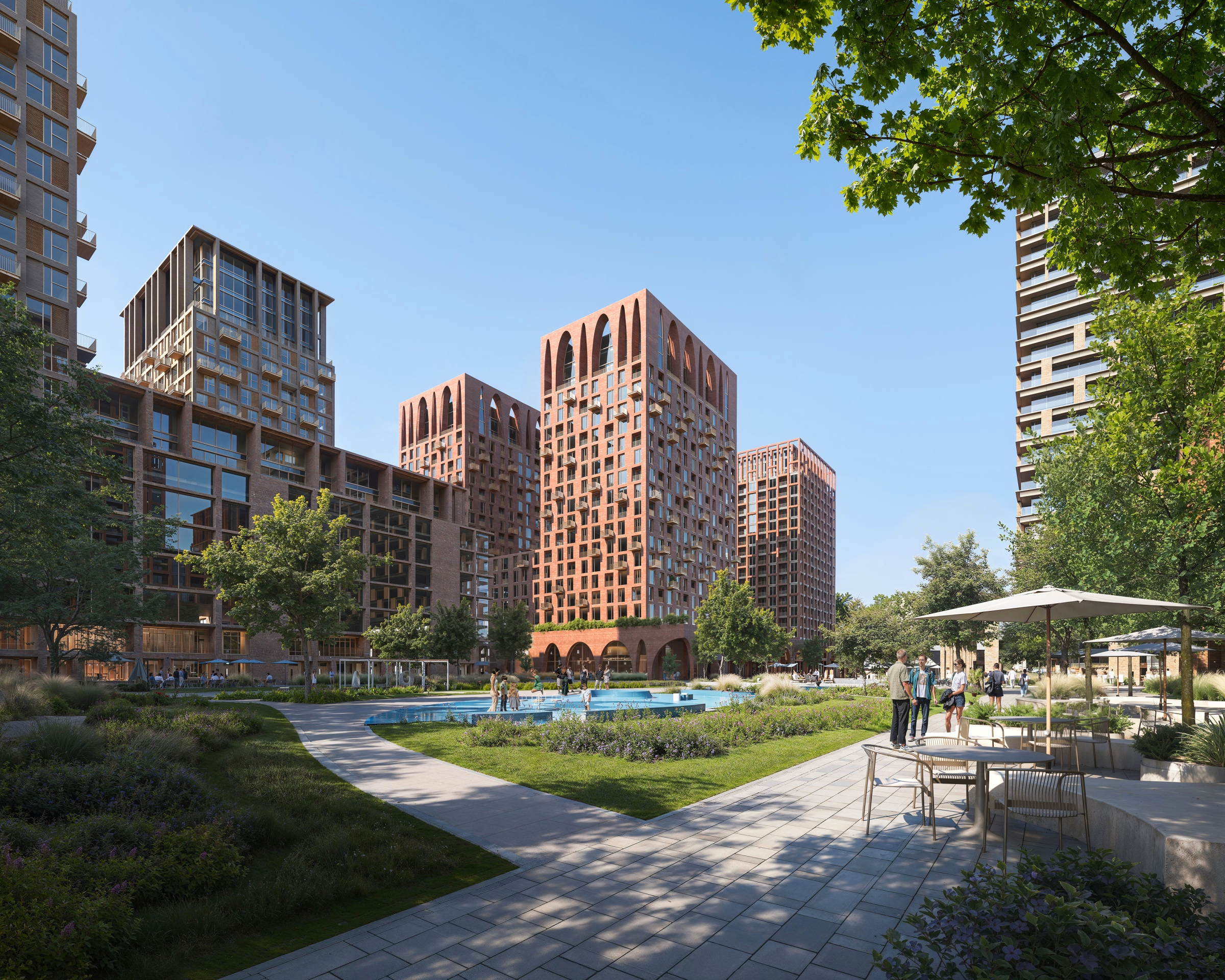
Eastgate Square is a transformative mixed-use, transit-oriented development in Hamilton. The project will revitalize a traditional shopping mall into a vibrant community hub with pedestrian-friendly spaces, a central park, and a town square. Inspired by the city’s unique geography, the design integrates green spaces and connects the Niagara Escarpment to Lake Ontario. Eastgate Square will serve as a catalyst for future development in the Centennial neighborhood and set a new standard for urban revitalization in Hamilton.
Client: BDP. Quadrangle Design
Location: North America
Services:
3D Renderings
Commercial 3D Rendering
1 - 9





Marygold Contribution
Marygold Studio collaborated with BDP Quadrangle on Eastgate Square, a large-scale urban redevelopment concept in the Greater Toronto Area (GTA), Canada. Designed by Adesso Design Inc. and BDP Quadrangle, the project reimagines the site as a walkable, mixed-use community. The redevelopment features homes, public space, retail, green areas, and a stronger connection to the surrounding urban fabric.

Interactive Accordion
Interactive Accordion
Project Concept & Overview
The Eastgate Square redevelopment is a transformative, transit-oriented project in the GTA. The concept turns the site into an open, connected, and pedestrian-friendly district.
The masterplan introduces residential buildings, active streets, a central park, and a public town square. It establishes a visual and physical relationship within the region, giving the project a strong sense of place.
This urban revitalization effort demonstrates how the site can become a community hub, a residential destination, and a catalyst for future growth.
Visual Narrative & CGI Production
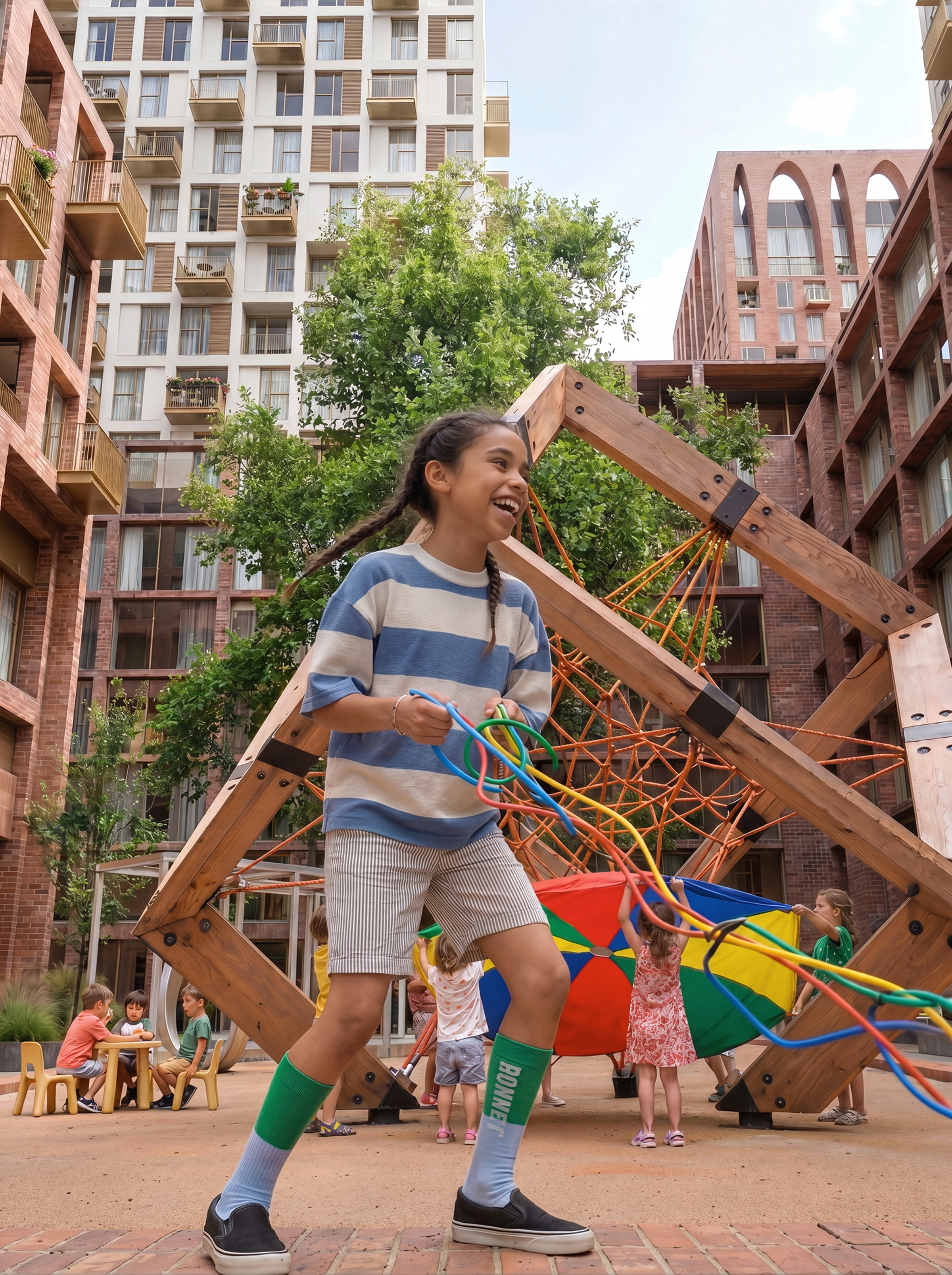
One of the hardest parts of the project was communicating size without making the development feel cold or overwhelming. The buildings are substantial, and the masterplan is ambitious. But the final imagery still had to feel human.
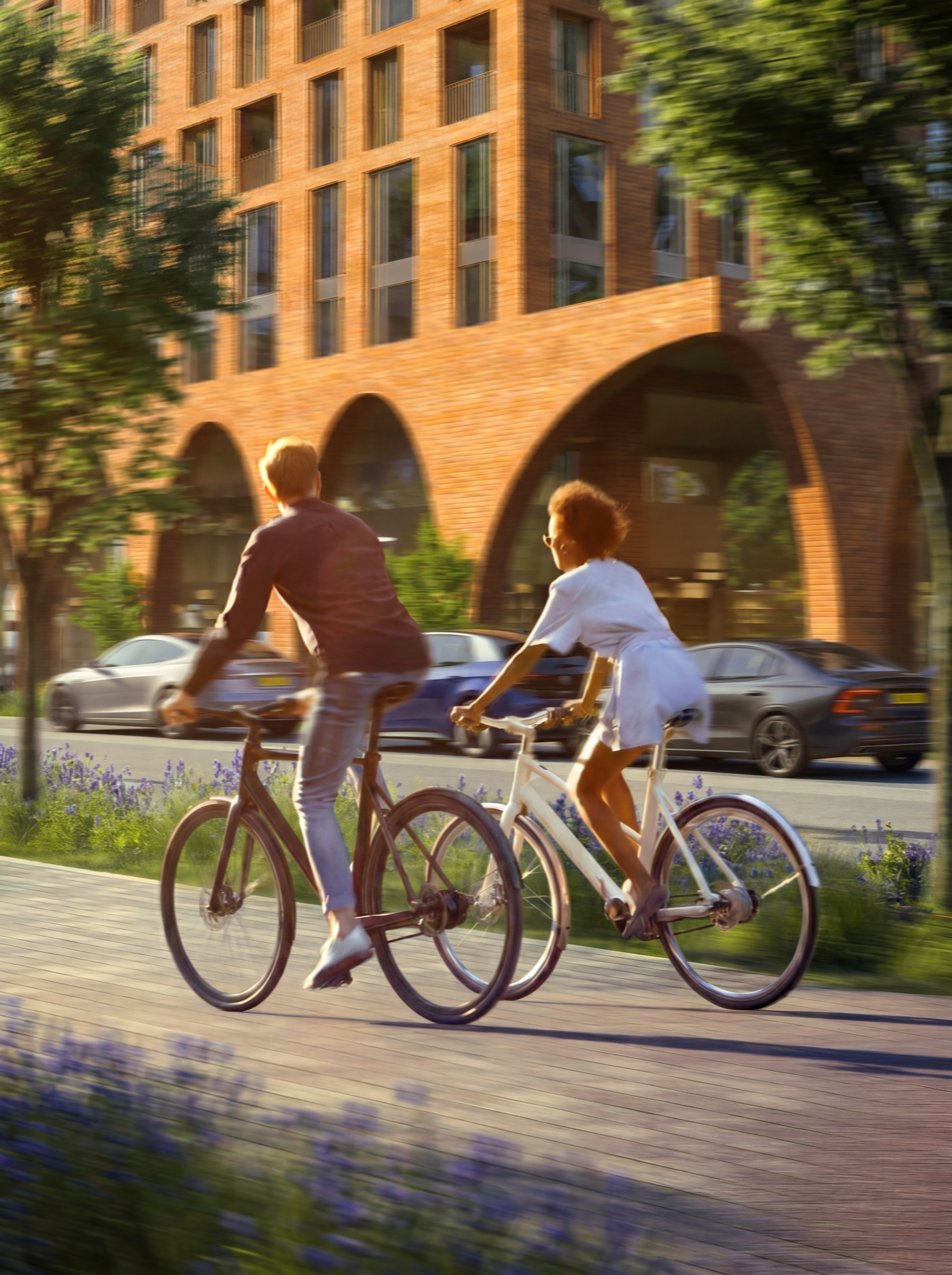
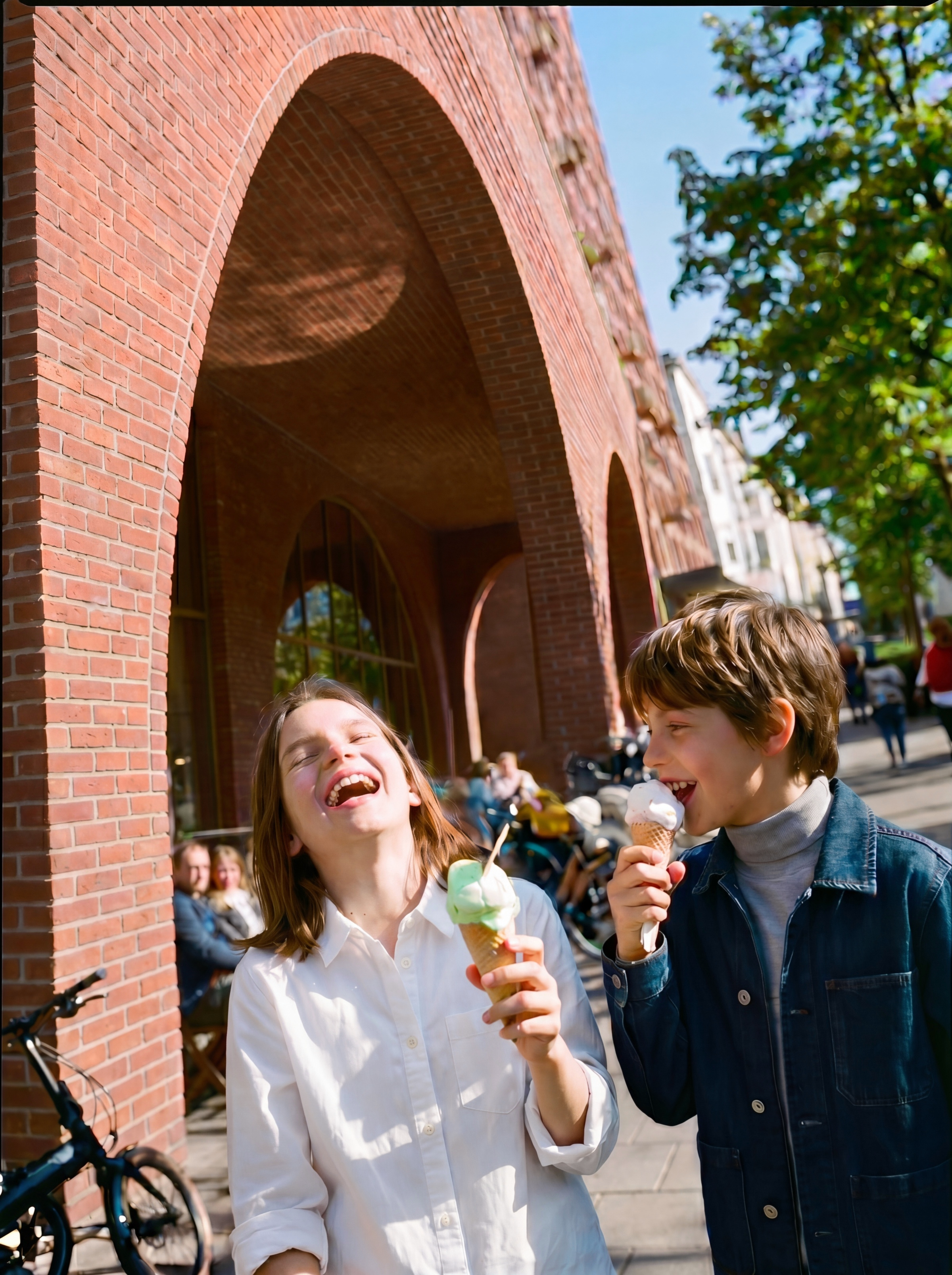
To achieve this, Marygold Studio focused on camera angles, framing, street-level perspectives, and lifestyle details that brought people back into the story. The visual direction was strongly influenced by European pedestrian-oriented urban design: walkable streets, active edges, comfortable public spaces, and a slower, more social rhythm of city life.
Children appeared throughout the visualizations as recurring characters. That was intentional. Their presence helped soften the scale, show family-friendly use, and make the community feel lived-in rather than purely architectural. For the Canadian residential market, this emotional layer was especially important.
Marketing Concept
The strongest marketing idea behind the project was livability.
Large redevelopment concepts can easily become abstract: towers, podiums, blocks, phasing, and circulation diagrams. But people rarely connect emotionally with planning logic alone. They connect with morning walks, playgrounds, open streets, greenery, cafés, sunlight, and the feeling that life could happen there naturally.
For this reason, our mixed-use development visualization approach combined advanced CGI techniques with modern AI-supported workflows to create realistic lifestyle imagery. The final visuals went beyond standard architectural renderings. They helped residents, stakeholders, and the wider community understand what the site could become after the redevelopment: not just a rebuilt property, but a more complete urban environment.
Results
The main goal of the visual campaign was to generate public attention and spark conversation around the project online. The images needed to help people see the potential of Eastgate Square in a way that felt immediate and shareable.
The campaign delivered strong organic engagement, gaining more than 1,000 likes on Instagram and over 15,000 organic views without paid marketing support.
Today, Eastgate Square remains one of the most ambitious urban redevelopment concepts associated with BDP Quadrangle in the Greater Toronto Area context. For Marygold Studio, it also became a strong example of how architectural CGI can help a large, technical masterplan feel warm, legible, and emotionally relevant.
FAQ
FAQ
The difference is in the ambition. Eastgate Square is not presented as a simple refresh or cosmetic update. It is a complete rethinking of how a traditional site can serve a growing urban community. The concept introduces housing, pedestrian streets, public gathering spaces, a central park, and a town square. In other words, the site becomes less of a destination people drive to for errands and more of a neighbourhood people can move through, live in, and return to throughout the day.
Because large developments can easily feel distant. When people see big buildings, wide masterplans, or dense new districts, they often wonder: Will this feel comfortable? Will families actually use these spaces? Will the streets feel safe and alive? Will the project improve the neighbourhood, or simply add more mass? Human-centered CGI answers those questions visually. Street-level views, everyday activity, greenery, children, cafés, shaded paths, and familiar social moments help turn an abstract planning concept into a believable place.
Yes. In fact, early-stage concepts often need it most. Before a project is approved, built, or fully understood by the public, visualizations can help clarify the vision. They give planning teams, investors, municipalities, and communities a shared reference point. For a large redevelopment, that shared visual language can be extremely valuable. This is especially true for projects like Eastgate Square, where the story is about architecture and future character of a whole area.
Yes. Projects like Eastgate Square are exactly where strong CGI can make a major difference. Marygold Studio can support developers, architects, and planning teams working on site redevelopments, mixed-use districts, transit-oriented communities, residential masterplans, waterfront areas, and large public-realm concepts. These projects often involve many stakeholders, so the visuals need to do more than look polished. They need to explain scale, movement, public space, lifestyle, and long-term value in a way people can understand quickly.
Good renderings make a complex idea easier to discuss. For public-facing projects, residents and local stakeholders may not read technical planning documents in detail. But they can respond to a clear image. They can see the park. The sidewalks. The public square. The relationship between buildings and streets. That makes the conversation more accessible and, often, more productive. The Eastgate Square campaign showed this clearly. With no paid marketing support, the visuals generated more than 15,000 organic views and over 1,000 Instagram likes, helping the project reach a wider local audience.
This 3D rendering venture shows that redevelopment marketing works best when scale and emotion are handled together. The audience needs to understand the masterplan, but they also need to feel why it matters. For Eastgate Square, Marygold Studio helped turn a highly conceptual urban vision into imagery that felt grounded, warm, and socially alive. The result was a visual campaign that made a large mixed-use concept easier to imagine, share, and engage with for the community.